Your Endocannabinoid System:
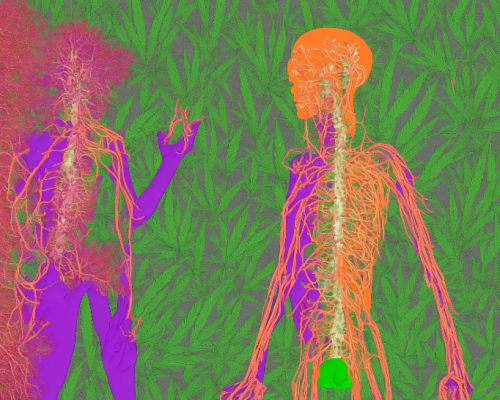
Your Endocannabinoid System:
What It Is, How It Works, and Why More People Are Talking About It
Most people have heard of THC and CBD. They know one can create an intoxicating effect, and the other generally does not. But most have not heard of the Endocannabinoid System.
People don’t realize that the human body contains an entire communication network designed to interact with compounds found in cannabis and hemp plants.
That network is called the Endocannabinoid System, often shortened to ECS.
Researchers believe the ECS plays a role in maintaining balance throughout the body. It helps regulate functions such as mood, sleep, appetite, memory, stress response, and pain perception. While scientists continue to learn more about how it works, one thing is becoming increasingly clear: the Endocannabinoid System is one of the most fascinating biological systems most people have never heard of.
What Is the Endocannabinoid System?
The Endocannabinoid System is a complex cell-signaling system found throughout the human body. Scientists first began identifying its components in the late twentieth century while studying how cannabis affects the brain and nervous system.
The ECS consists of three primary components:
- Endocannabinoids, which are naturally produced by the body
- Receptors that receive signals from those compounds
- Enzymes that help break down and recycle those compounds when their job is complete
Think of it as a biological messenger service. Endocannabinoids deliver messages throughout the body, receptors receive those messages, and enzymes clean up when the conversation is over.
This process helps the body maintain what scientists call homeostasis, a stable internal environment despite the constant changes happening around us every day.
Meet the Receptors: CB1 and CB2
The two most studied cannabinoid receptors are known as CB1 and CB2.
CB1 receptors are found primarily in the brain and central nervous system. These receptors are associated with memory, mood, movement, appetite, and pain perception.
CB2 receptors are found more commonly throughout the immune system and peripheral tissues. Researchers continue to investigate their role in inflammation, immune response, and overall wellness.
When cannabinoids interact with these receptors, they can influence how signals travel throughout the body.
The Body Makes Its Own Cannabinoids
One of the most surprising discoveries about the ECS is that the human body naturally produces cannabinoid-like compounds.
These compounds are called endocannabinoids.
Two of the most studied are anandamide and 2-AG. Scientists believe they help regulate many everyday functions, including sleep cycles, emotional balance, stress response, and appetite.
In many ways, cannabis research became even more interesting once scientists realized the body already had its own cannabinoid system in place long before anyone studied the cannabis plant itself.
How THC and CBD Interact with the ECS
THC and CBD are both cannabinoids, but they interact with the Endocannabinoid System differently.
THC binds directly with certain cannabinoid receptors, particularly CB1 receptors found in the brain. This interaction is largely responsible for the euphoric or intoxicating effects commonly associated with cannabis.
CBD works differently. Rather than strongly binding to cannabinoid receptors, researchers believe CBD influences how the ECS functions indirectly. Scientists continue studying these interactions and how they may affect mood, stress, sleep, and overall wellness.
Because every person’s body chemistry is unique, the effects of THC and CBD can vary significantly from one individual to another. Always check with your health professional for personal use and applications.