Posted on Google
 Katherine Golden
Trustindex verifies that the original source of the review is Google.
Cynthia was able to capture the essence of the who, what and why of the organization while also providing encouragement to engage. Excellent work!Posted on Google Amy GordonHigh-ly recommend ;)Posted on Google
 Leviathanmusic25Absolute blessing to have at any event full of knowledge and great vibesPosted on Google
 Daniel SmithCynthia is an absolute master of strategic messaging in the cannabis space. It is incredibly rare to find a professional who can seamlessly bridge the gap between rigid regulatory compliance and high-converting, human-first brand copy. She deeply understands how modern, distracted consumers shop and knows exactly how to build authentic brand authority. If your organization or dispensary needs a trusted, senior voice to translate complex frameworks into copy that actually connects with real people, Best Copy Now is the premier choice. Sharp, credible, and highly strategic.Posted on Google
 Anil PatraIt is really amazing.Posted on Google
 Brice HendersonI like the way these folks work!Posted on Google
 Earl PollittCynthia is an A+ Excellent copy writer. The copy she wrote from my submitted podcast info was many miles greater than mine. Cynthia thanks 12 MILLIONS FOR INCLUDING MY PODCAST INFO VOICE POWER on your March 2026 newsletter. You have a great gift & thanks for your generous offer to include VOICE POWER on your newsletter.Posted on Google
 Hart DavidowCynthia is an incredible writer, poet, and an extraordinary person that will give you her heart and soul in any project that will help you grow yourself or your business I have known Cynthia for many years and find her to be an extraordinary human being that gives much more than askedPosted on Google
 Holly StoltzCynthia may be the most passionate and knowledgeable person I have ever met in the marijuana industry! She is a great advocate and knows how to increase website traffic. She has been a great ally for me and my new business venture. I highly recommend Cynthia for all your website and SEO needs!Posted on Google
 Keanisha JohnsonCynthia is a awesome writer. I remember her way back when we we’re in Carline Anglade- Cole’s class. I enjoy Cynthia’s Newsletter every month faithfully.Verified by TrustindexTrustindex verified badge is the Universal Symbol of Trust. Only the greatest companies can get the verified badge who has a review score above 4.5, based on customer reviews over the past 12 months. Read more
Home of GrammaWeed
Helping career changers, retirees, veterans, employers, and workforce organizations discover cannabis careers, workforce training opportunities, and pathways into the legal cannabis industry.

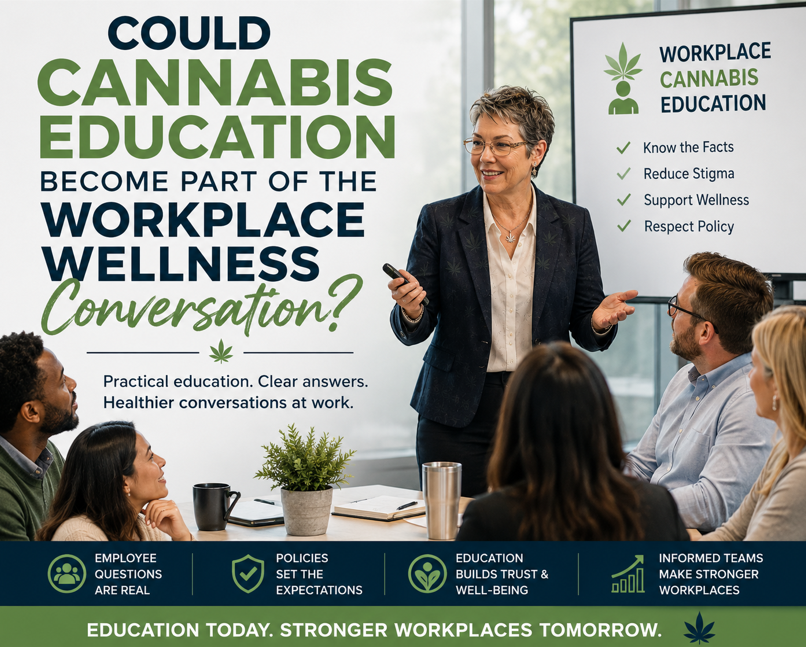
Cannabis education for professionals exploring workplace policies, wellness considerations, and emerging opportunities in the legal cannabis industry.
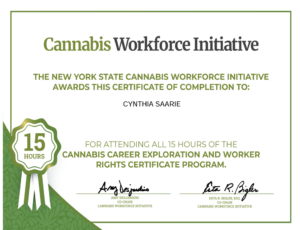
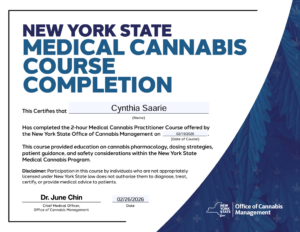
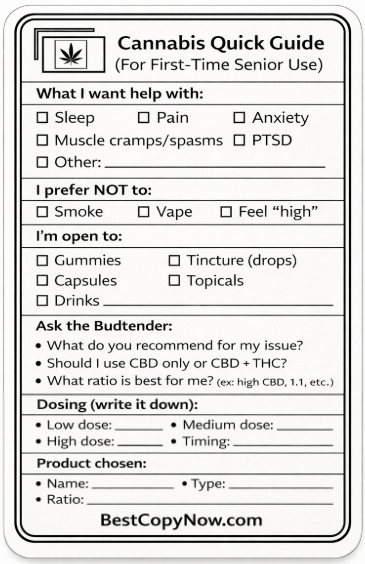
Cannabis educator, speaker, and consultant with specialized training in medical cannabis, workforce development, and professional content strategy.
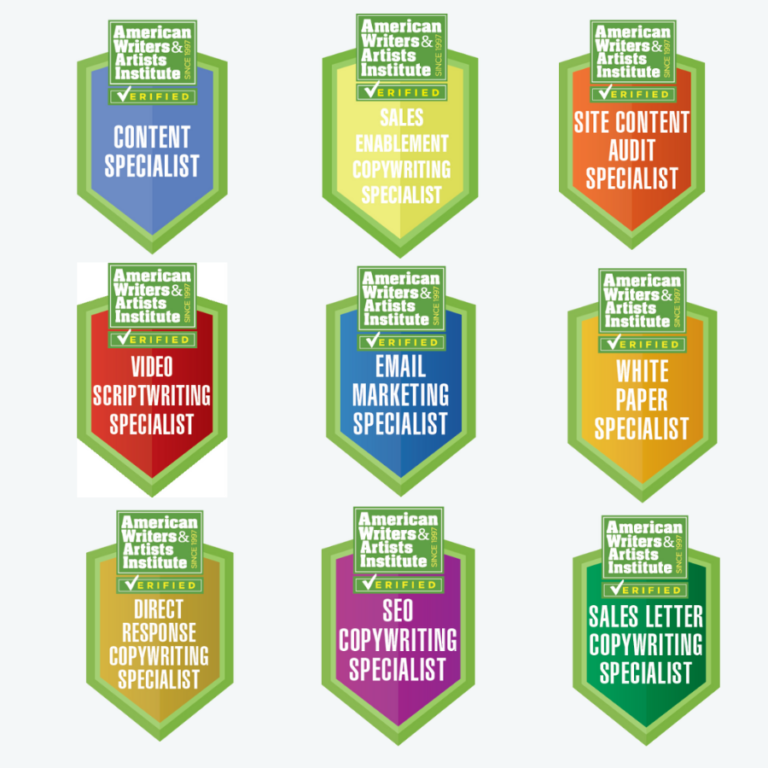
Posted on GoogleKatherine GoldenCynthia was able to capture the essence of the who, what and why of the organization while also providing encouragement to engage. Excellent work!Posted on GoogleAmy GordonHigh-ly recommend ;)Posted on GoogleLeviathanmusic25Absolute blessing to have at any event full of knowledge and great vibesPosted on GoogleDaniel SmithCynthia is an absolute master of strategic messaging in the cannabis space. It is incredibly rare to find a professional who can seamlessly bridge the gap between rigid regulatory compliance and high-converting, human-first brand copy. She deeply understands how modern, distracted consumers shop and knows exactly how to build authentic brand authority. If your organization or dispensary needs a trusted, senior voice to translate complex frameworks into copy that actually connects with real people, Best Copy Now is the premier choice. Sharp, credible, and highly strategic.Posted on GoogleAnil PatraIt is really amazing.Posted on GoogleBrice HendersonI like the way these folks work!Posted on GoogleEarl PollittCynthia is an A+ Excellent copy writer. The copy she wrote from my submitted podcast info was many miles greater than mine. Cynthia thanks 12 MILLIONS FOR INCLUDING MY PODCAST INFO VOICE POWER on your March 2026 newsletter. You have a great gift & thanks for your generous offer to include VOICE POWER on your newsletter.Posted on GoogleHart DavidowCynthia is an incredible writer, poet, and an extraordinary person that will give you her heart and soul in any project that will help you grow yourself or your business I have known Cynthia for many years and find her to be an extraordinary human being that gives much more than askedPosted on GoogleHolly StoltzCynthia may be the most passionate and knowledgeable person I have ever met in the marijuana industry! She is a great advocate and knows how to increase website traffic. She has been a great ally for me and my new business venture. I highly recommend Cynthia for all your website and SEO needs!Posted on GoogleKeanisha JohnsonCynthia is a awesome writer. I remember her way back when we we’re in Carline Anglade- Cole’s class. I enjoy Cynthia’s Newsletter every month faithfully.Verified by TrustindexTrustindex verified badge is the Universal Symbol of Trust. Only the greatest companies can get the verified badge who has a review score above 4.5, based on customer reviews over the past 12 months. Read more
Empowering Legal Cannabis Businesses with SEO-Driven Expertise. Cannabis Digital Marketing Agency Services for Your Dispensary.
Cannabis is only for those 21+. Always check with your doctor or medical practitioner before use. Cannabis can raise your heartbeat. We don’t want you keeling over while having a good time. Always use responsibly. Be smart. Start slow and low.
All Rights Reserved 2026 by Best Copy Now Agency.