Let’s Make CannaButter:
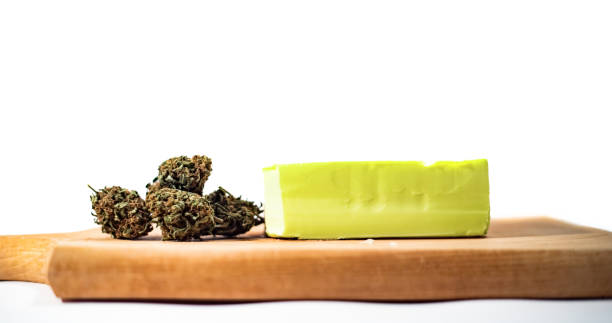
How To DeCarb Cannabis to Use in Cooking Recipes
Dive into the world of creative cooking as we explore how to infuse traditional recipes with a touch of cannabis magic.
First and foremost, if you are going to cook with cannabis, you have to DeCarb the flower. It’s important to know what you’re doing. You can’t just put flower onto a cookie sheet and cook it. It’s a little more technical than that!
When cooking with cannabis, the process is called decarboxylation. DeCarb, or DeBox for short, is a crucial step to activate the cannabinoids in the raw cannabis plant, making them bioavailable and ready for use in edibles.
Here’s a basic guide to cooking with cannabis,
including the decarboxylation process:
- Decarboxylation: a. Preheat your oven to around 240°F (115°C). b. Break up your cannabis buds into smaller pieces, spreading them evenly on a baking sheet. c. Bake the cannabis in the oven for about 30-40 minutes or until it becomes light golden brown. This process converts THCA (non-psychoactive) into THC (psychoactive), making your cannabis suitable for edibles.
- Infusing into Fat: a. After decarboxylation, you need to infuse the cannabis into a fat-based ingredient, like butter or oil. This helps cannabinoids bind to the fat molecules, making them easily absorbed by the body. b. Combine the decarboxylated cannabis with your chosen fat (butter or oil) in a slow cooker or on the stove over low heat for several hours.
- Straining: a. Once the infusion is complete, strain the plant material from the fat using cheesecloth or a fine mesh strainer. KEEP the strained leftovers and use them as a fertilizer for your plants. Recycling 101, whatever is plant material, can be regenerative for other plants. Blend it into the soil to add nutrients for your plants, cannabis or otherwise…it’s all good.
- Cooking with Infused Ingredients: a. Now that you have cannabis-infused butter or oil, you can use it in various recipes like cookies, brownies, or any other dish that requires butter or oil. Substitute your required butter or oil into the mixture.
- Dosage: Keep in mind that the potency of your cannabis-infused product will depend on the strain of cannabis used, the amount, and the THC content. Starting with a low dose is important, especially if you’re not experienced with edibles.
And the oils can also be infused into beverages, like a warm cup of cocoa!
Try adding CannaButter melted onto some popcorn.
Add CannaButter to powdered sugar to make a wonderful cake icing.
Another option idea to try: CannaOils can replace oils in your salad dressings. (Caesar Salad- Talk about a salad to remember! Or drizzled over freshly sliced avocado!)
#CannaButter #DecarbCannabis #DecarbButter #CannabisRecipes #BestCopyNow