When Technology Adapts to People:
A New Chapter in Dementia Care
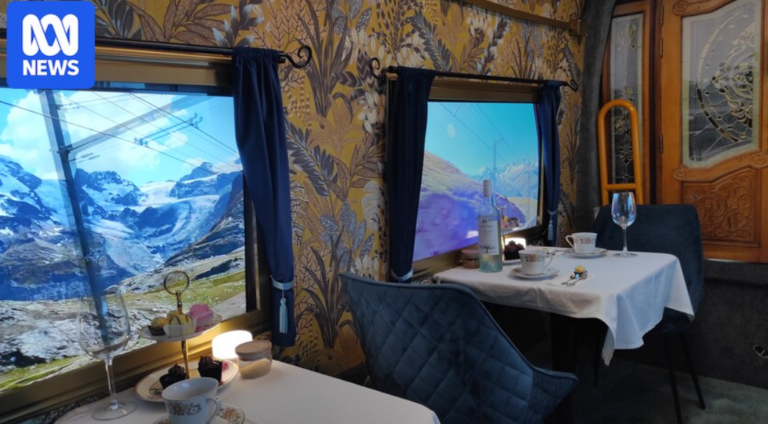
In a powerful example of human-centered innovation, Dr. Martha Boeckenfeld recently highlighted a breakthrough in aged care that redefines how technology can serve vulnerable populations. Enter the Train to Everywhere. When technology adapts for dementia care.
At St Vincent’s Care in Toowoomba, Australia, residents aren’t just sitting in a common room—they’re traveling the world.
Through a permanent immersive environment called the “St Vincent’s Express,” residents experience journeys via life-sized digital windows, synchronized sound, and even destination-inspired meals. No headsets. No complicated devices. Just an environment designed to feel real.
This distinction matters.
Traditional virtual reality often fails in dementia care. Patients remove headsets, become disoriented, or disengage entirely. Instead of forcing residents to adapt, this approach flips the model—bringing the experience to them in a natural, accessible way.
Developed in collaboration with the University of Queensland, the program has already shown meaningful outcomes: reduced agitation, improved mood, increased social interaction, and even temporary relief from chronic pain.
But beyond the metrics lies something deeper.
Residents aren’t just entertained—they reconnect with identity. They become travelers again, not patients confined to a facility.
It’s a reminder for marketers, technologists, and innovators alike: the most effective solutions don’t demand user adaptation—they meet people exactly where they are.
And when you do, the impact multiplies.
Here is a link to the video Dr. Martha showcased. https://youtu.be/fsHpKBY76Zs
And a Link to Dr. Martha Boeckenfeld: https://www.linkedin.com/in/drmarthaboeckenfeld/
#dementia #technology #eldercare #boeckenfeld #trainrides #st.vincent’sexpress #australia