Terpenes Boost the Scent; Flavonoids Boost the Taste:
What’s the Difference?
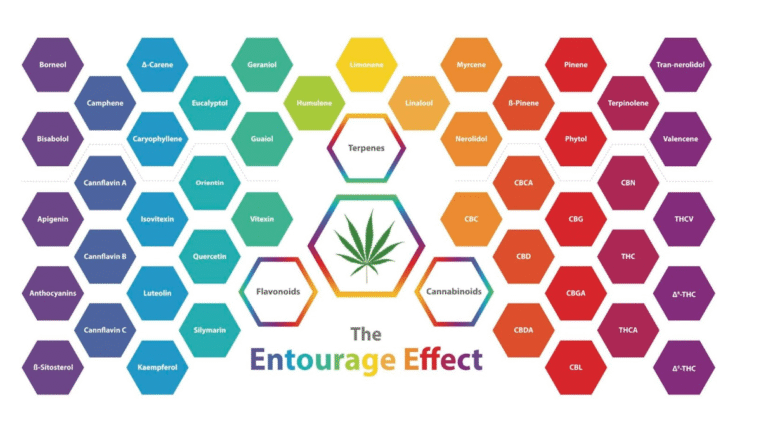
When people talk about cannabis, the spotlight often shines on cannabinoids like THC and CBD or the fragrant terpenes that give each strain its distinct aroma.
But there’s another group of compounds that deserves recognition: flavonoids.
Together with terpenes, flavonoids are crucial to understanding what makes cannabis unique. While terpenes dominate the world of cannabis aroma, flavonoids are key players in taste, color, and even the overall effects.
In this article, we’ll break down the difference between terpenes and flavonoids, explore what they each do, and why they’re both vital to the cannabis experience. Let’s dive into this aromatic and flavorful duo.
Terpenes are naturally occurring compounds found in plants, including cannabis. They are primarily responsible for the plant’s smell—the citrusy zest of a lemon, the calming scent of lavender, or the piney aroma of a forest. In cannabis, terpenes give each strain its unique fragrance profile. For example, the terpene limonene provides a fresh, citrus smell, while pinene delivers that classic earthy, pine aroma.
Terpenes aren’t just about smell, though. They also play a role in how cannabis affects you. Some terpenes, like myrcene, are believed to promote relaxation, while others, like limonene, may enhance mood and energy. These effects are part of what’s called the “entourage effect,” where all the compounds in cannabis work together to influence your experience.
What Are Flavonoids?
Flavonoids are another group of naturally occurring compounds found in plants. Unlike terpenes, flavonoids are known for their impact on taste, color, and health benefits. In cannabis, flavonoids contribute to the vibrant colors of the plant—like the deep purples, bright oranges, or even reddish hues in some strains.
Flavonoids also play a significant role in taste. While terpenes add aromas like citrus or pine, flavonoids provide the subtle bitterness, sweetness, or fruity notes you might notice when smoking or vaping cannabis. Beyond taste and color, flavonoids also interact with cannabinoids and terpenes to enhance the overall effects of cannabis, contributing to the entourage effect.
Terpenes vs. Flavonoids: Key Differences
While terpenes and flavonoids both enhance the cannabis experience, they do so in different ways:
- Terpenes focus on aroma: They’re the reason one strain smells like fresh pine and another like sweet berries.
- Flavonoids focus on taste: They provide the nuanced flavors that complement the terpenes’ aroma, making each strain unique.
- Colors: Flavonoids, not terpenes, are responsible for the vibrant colors you see in cannabis plants, like purples and reds.
- Health Benefits: Both terpenes and flavonoids have potential health benefits, but they contribute in different ways. For example, certain terpenes may reduce stress or improve mood, while specific flavonoids might offer antioxidant or anti-inflammatory properties.
How They Work Together
Flavonoids and terpenes don’t work in isolation. They’re part of the entourage effect, where all the compounds in cannabis—including cannabinoids like THC and CBD—combine to create the plant’s unique effects. For instance, a terpene like linalool (known for its floral scent) may pair with flavonoids that have calming properties, enhancing the relaxing effects of a particular strain.
Examples of Cannabis Flavonoids and Terpenes
Here are a few notable examples of each:
Terpenes:
- Limonene: Found in citrus fruits, it adds a zesty aroma and may boost mood.
- Myrcene: Offers an earthy scent and is thought to promote relaxation.
- Pinene: Smells like pine and may improve focus.
- Caryophyllene: Spicy and peppery, it’s unique because it interacts with cannabinoid receptors.
Flavonoids:
- Cannaflavins: Unique to cannabis, these flavonoids have anti-inflammatory properties.
- Quercetin: Found in many fruits, it acts as an antioxidant and may reduce inflammation.
- Kaempferol: Known for its potential to protect cells from oxidative stress.
- Anthocyanins: Responsible for purple hues in some strains, they may also offer antioxidant benefits.
Why Terpenes and Flavonoids Matter When Choosing Cannabis Strains
Understanding the difference between terpenes and flavonoids can help you choose cannabis strains that suit your preferences and needs. If you’re drawn to a strain because of its strong, pleasant aroma, you’re appreciating its terpene profile. If you enjoy a strain with unique flavors or striking colors, that’s flavonoids at work.
Both terpenes and flavonoids contribute to the overall experience—from the moment you open the jar and smell the strain to the flavor you savor during use and the effects that follow. Knowing what each compound does allows you to explore cannabis on a deeper level, helping you pick strains tailored to your tastes and desired effects.
Maximizing Experience
To get the most out of the terpenes and flavonoids in cannabis, it’s essential to handle the plant with care. High temperatures or harsh smoking methods can destroy these delicate compounds, reducing their impact. Instead, consider vaping at lower temperatures or choosing methods like edibles that preserve the plant’s full chemical profile.
Experience the Magic of Cannabis with BCNA
Terpenes and flavonoids are the unsung heroes of cannabis, working together to create unforgettable flavors, aromas, and effects. At Best Copy Now Agency, we specialize in showcasing the unique magic of cannabis products through expert SEO, advertising, and content creation. Ready to elevate your brand and connect with your audience? Let BCNA help you stand out in the cannabis industry. Contact us today to get started!
Tag: Health
#cannabis #terpenes #flavonoids #THC #bestcopynow