Shingles After 60: Could CBD Help Calm the Burn?
Shingles After 60: Could CBD Help Calm the Burn?
By Cynthia Saarie, Cannabis Educator & Senior Advocate
My husband Skip had shingles.
At first, he thought it was poison ivy. Then, his retired nurse sister took one look and said, “That’s shingles.” She was right.
After he recovered, we both rolled up our sleeves and got the two-dose shingles vaccine.
Watching what he went through convinced me of one thing: shingles is no joke.
Most people think shingles ends when the rash disappears. Unfortunately, that’s not always the case. For many older adults, the pain lingers long after the blisters heal.
That lingering pain has a name: Postherpetic Neuralgia (PHN).
When the Rash Is Gone, but the Pain Remains
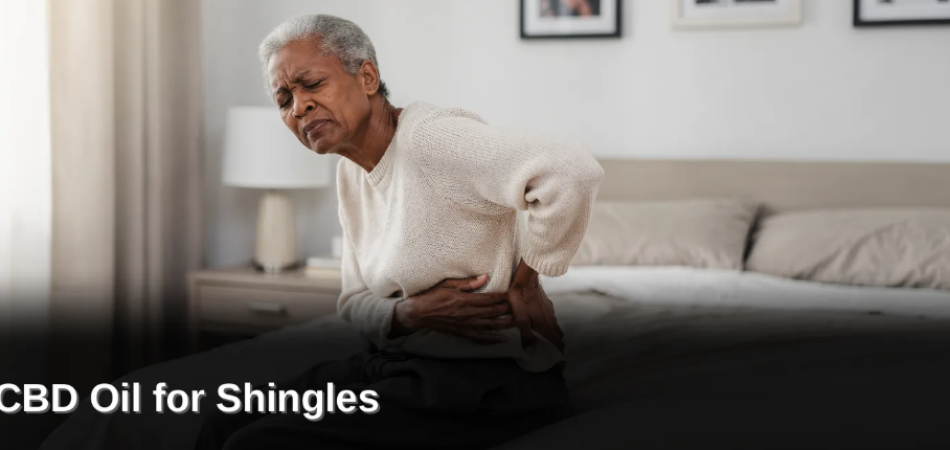
Postherpetic neuralgia is nerve pain caused by damage from the shingles virus. Some people experience burning, stabbing, tingling, itching, or electric-shock sensations for months, and sometimes even years.
Even clothing brushing against the skin can hurt.
Sleep becomes difficult.
Simple daily tasks become frustrating.
Social activities get canceled.
Many seniors also feel isolated because nobody around them understands what they’re experiencing.
Why Seniors Are Asking About CBD
As a Cannabis Educator, one of the most common questions I hear is:
“Can CBD help with nerve pain?”
The answer isn’t a simple yes or no.
CBD is not a cure for shingles.
However, many older adults report that CBD products help them manage symptoms such as:
- Burning sensations
- Tingling nerves
- Discomfort that interferes with sleep
- General inflammation and soreness
Researchers continue studying cannabinoids and how they interact with the body’s own pain and inflammation systems.
While everyone’s experience is different, many seniors find CBD worth discussing with their healthcare provider.

Sleep Matters More Than Most People Realize
One of the hidden challenges of shingles pain is sleep deprivation.
When pain keeps you awake, your body has a harder time recovering.
When you don’t recover well, pain often feels worse.
It’s a cycle that can be difficult to break.
Many seniors who explore CBD aren’t looking to get “high.”
They’re simply looking for a better night’s sleep and a chance to feel more like themselves again.
Start Low and Go Slow
If you’re considering CBD products, remember one of the most important rules in cannabis education: Start Low. Go Slow.
Older adults often respond differently to supplements, medications, and cannabinoids than younger people.
Before trying any CBD product:
✓ Talk with your healthcare provider.
✓ Review current medications.
✓ Ask questions about potential interactions.
✓ Purchase products from reputable sources.
There is no one-size-fits-all answer.
Breaking the Stigma
Many seniors grew up hearing that all cannabis was dangerous or illegal. Times have changed.
Today, more older adults are exploring cannabis education because they want information, not hype.
As I’ve said many times before, Education comes first: Decisions come second.
No one should feel embarrassed to ask questions about options that may improve their quality of life.

Cynthia’s Two Cents:
“If you’ve never had shingles, count yourself lucky. If you’ve had it once, you don’t want it again. If you’re still dealing with nerve pain after the rash is gone, that’s where conversations about CBD and other cannabis options may be worth having with your healthcare provider.”
- Ask questions.
- Learn your options.
- Because growing older should not mean settling for unnecessary pain.
Free Resource
New to CBD or cannabis?
Request my Senior’s Guide to Modern Cannabis, created to help older adults understand common cannabis products, dosing basics, and important questions to ask before getting started.
Knowledge first. Confidence second.