Did the President Just Nuke Hemp?
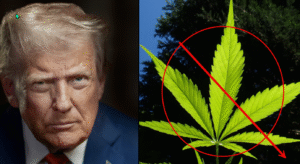
Yup. Pass the Panic Button.
Well, look at that — President Donald “I-Love-Farmers-Unless-It’s-Not-Convenient” Trump just signed a spending bill that basically duct-tapes hemp’s mouth shut and throws it into a dumpster behind a gas station.
And they tucked the whole mess inside a post–government-shutdown spending package like it’s some shady Craigslist deal. Classic D.C. energy: “We didn’t fix the country, but we DID criminalize your CBD gummies.”
The Great Hemp Betrayal (Because Why Help When You Can Hurt?)
Remember the 2018 Farm Bill? The one Trump himself signed to legalize hemp? Yeah — he just reversed that like a boomer who forgot what he said 10 minutes ago.
Right there in the fine print: a shiny new hemp ban targeting anything with THC — delta-9, delta-8, delta-whatever — if it dares to actually work.
Rep. Andy Harris (R-MD) proudly strutted onto the House floor to announce he’s “closing the hemp loophole,” which roughly translates to: “Kids can buy gummies at gas stations, so let’s nuke CBD oil your grandma uses for knee pain.”
Advocates warned: this ban doesn’t just hit the “intoxicating stuff.” Nope. It sweeps up harmless CBD, nonintoxicating products, and basically anything made from hemp that isn’t a rope or a T-shirt.
The White House said they “support the specific language,” which is political speak for: “We know this is dumb, but we’re doing it anyway.”
Congress Plays Ping-Pong While the Industry Burns
A few lawmakers tried to stop this nonsense — Rand Paul, Thomas Massie, and even Ted “I Hate Weed Unless It Annoys Liberals” Cruz. But the amendments didn’t survive the Capitol Hill blender.
Instead, Congress said, “Let’s pass the bill fast so we don’t have to do actual work,” and slammed the door shut.
The only tiny shred of hope?
The hemp ban doesn’t kick in for a year.
Translation: industry folks have 365 days to sprint, scream, lobby, bribe with CBD lotions (kidding-ish), and push new legislation to undo this dumpster-fire language.
Cornbread Hemp’s cofounder Jim Higdon said the industry will rally to fix this before the clock runs out. Good luck, Jim — may your emails be strong and your senators actually awake.
The New Hemp Rules: Let’s Make Them Impossible!
The new law basically says:
- “Hemp” can only have 0.3% total THC — including delta-8 and every isomer the plant ever dreamed of.
- Anything with similar effects counts too. “Similar” determined by HHS… because nothing says scientific clarity like government guessing.
- And boom — legal products can only contain 0.4 milligrams per container.
Not per serving. Per. Container.
That’s less THC than what floats through the air when your neighbor hotboxes his car.
Oh, and if a cannabinoid is naturally produced outside the plant? Banned. If it’s synthesized? Banned. If the FDA doesn’t feel like it’s plant-made enough? Super banned.
Within 90 days, the FDA has to publish a list of every cannabinoid that exists, works like THC, might act like THC, or was once near THC in a grocery aisle. This’ll go great — the FDA can’t even keep up with lettuce recalls.
And While They Were At It… They Screwed Veterans, Too
To add extra insult, Congress also dropped previously approved bipartisan language that would’ve finally let VA doctors recommend medical cannabis to vets in legal states.
They had it. They passed it. They agreed on it.
Then—poof—they tossed it out right before Veterans Day.
Nothing says “we support our troops” like denying them medicine that actually helps.
The Very Bottom of the Barrel Line?
It’s chaos, it’s backwards, it’s stupid — and it’s exactly the kind of policy only Washington could birth after a shutdown and a spending panic.
But hey, we’ve got a year.
Budz ain’t giving up the fight — and neither should the people who grow, use, and rely on hemp to keep their lives together.
Light one. Hydrate. And let’s rumble.
#hemp #nuked #presidenttrump #bestcopynow