Veterans Day:
Cannabis, PTSD, and Finding Purpose After Service
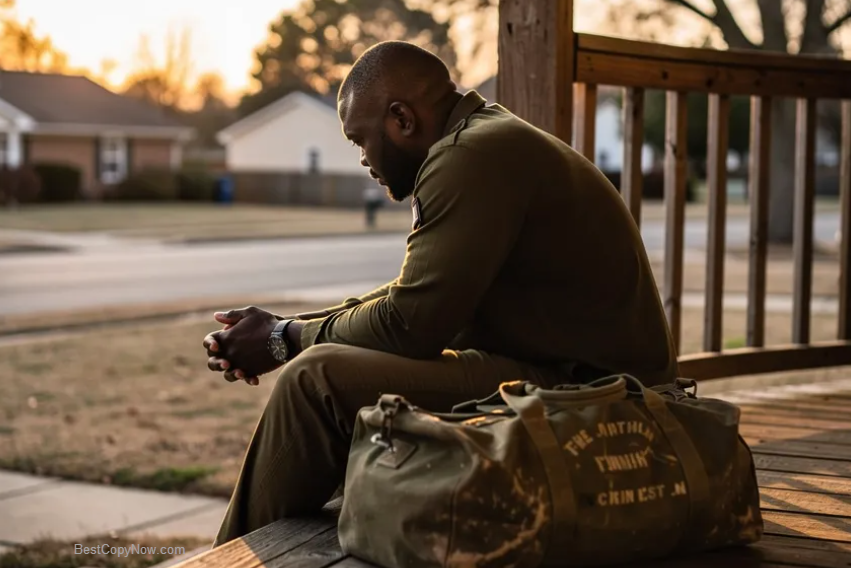
Coming home from military service doesn’t always mean leaving the war behind.
For some veterans, the hardest battles begin after they return. Post-traumatic stress disorder (PTSD) can affect sleep, relationships, emotional well-being, and the ability to feel comfortable in everyday life. Finding a path forward can take time, support, and a willingness to explore different options.
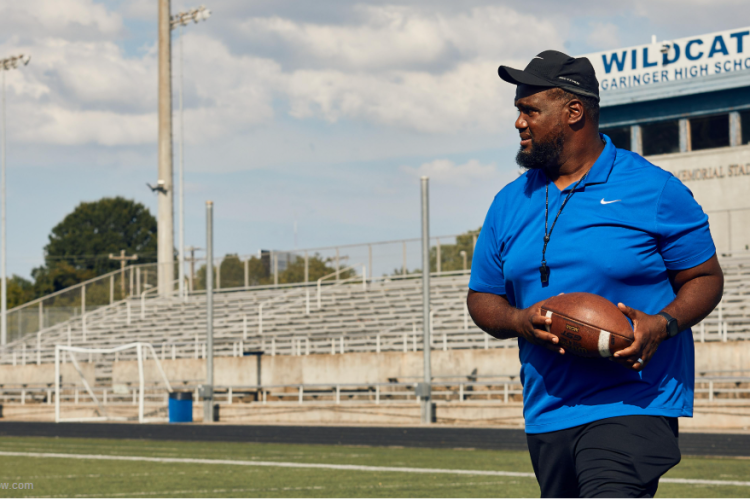
For one African American veteran, that journey included exploring cannabis as part of his personal approach to managing life with PTSD. It also included finding renewed purpose through an unexpected place: a high school football field.
His story brings together two important conversations: the challenges veterans face after service and the importance of understanding every option with care, accurate information, and professional guidance.
The Battle That Doesn’t Always End When Service Does
Returning home can be a major adjustment for veterans. The routines, responsibilities, and relationships of civilian life may feel very different from military service.
For someone living with PTSD, reminders of traumatic experiences can continue to affect daily life. Symptoms may include unwanted memories, nightmares, heightened alertness, anxiety, difficulty sleeping, and feeling disconnected from others.
There is no single recovery timeline. Each veteran’s experience is personal, and support that helps one person may not be right for another.
Exploring Cannabis: One Veteran’s Personal Experience
Some veterans explore cannabis because they are looking for additional ways to manage difficult symptoms. This veteran’s personal journey includes cannabis as one part of his experience.
It is important to understand the difference between an individual’s experience and established medical evidence.
The U.S. Department of Veterans Affairs National Center for PTSD explains that some veterans report using cannabis for symptom relief. However, current research does not establish cannabis as an effective treatment for PTSD. The 2023 VA/DoD clinical practice guideline recommends against using cannabis or cannabis derivatives to treat PTSD.
Cannabis can also carry risks, particularly with frequent or long-term use. Individual responses vary, and potential interactions with medications deserve attention.
That doesn’t mean a veteran should be afraid to have an honest conversation about cannabis. It means that conversation should include a qualified healthcare professional, a review of current medications, and an understanding of the available evidence.
No veteran should have to make health decisions based on marketing claims, internet hype, or pressure from others.
Finding a New Mission on the Football Field
Recovery is not only about managing symptoms. For many veterans, rebuilding a sense of purpose and connection can also be an important part of moving forward.
For this veteran, coaching high school football became a way to put his experience and leadership to work in a new setting.
A football field offers more than a place to practice plays and prepare for games. It gives young people opportunities to learn teamwork, discipline, responsibility, and perseverance. A coach can become an important source of encouragement and guidance.
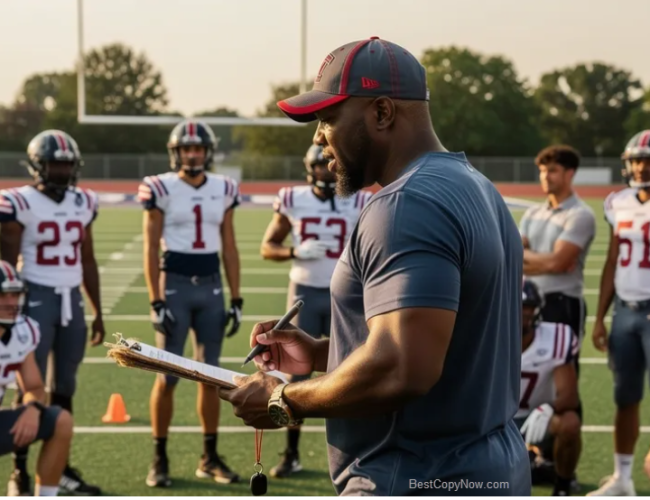
A veteran who once served his country can continue making a difference in the lives of others. The uniform may change, but the values of commitment, leadership, and service can continue.
His work with young athletes is a reminder that life after military service can hold new opportunities for contribution and connection.
What Does the Research Say About Cannabis and PTSD?
Personal stories deserve to be heard, but medical decisions also require reliable information.
The VA National Center for PTSD reports that research has not established cannabis as an effective PTSD treatment. Some studies have raised concerns about possible negative effects, including problems associated with long-term use.
The VA and Department of Defense clinical practice guideline recommends against cannabis as a treatment for PTSD. Veterans should be able to discuss cannabis use openly with their healthcare providers, including VA providers, without feeling judged.
For additional information, visit the VA National Center for PTSD.
Questions Veterans Should Discuss With Their Healthcare Professionals
Anyone considering cannabis should have an informed conversation with a qualified healthcare professional.
Useful questions include:
- Could cannabis interact with my current medications?
- What risks should I understand given my medical history?
- What evidence-based PTSD treatments are available?
- How might cannabis affect sleep, concentration, memory, or daily activities?
- What warning signs should prompt me to stop using a product and seek medical advice?
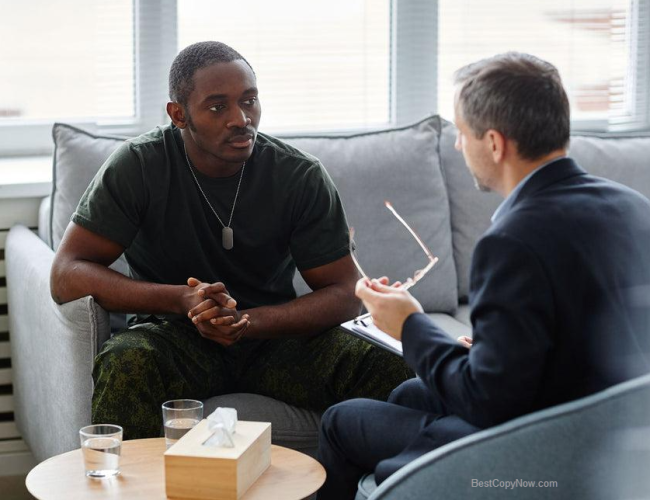
These conversations should be personal, confidential, and free from pressure. Veterans deserve accurate information and the opportunity to make informed decisions about their care.
Where Can Veterans Find Support?
No veteran should feel obligated to navigate PTSD or life after service alone.
The Department of Veterans Affairs offers information about PTSD, treatment options, and mental health support. Veterans can also explore community organizations, peer-support networks, and veteran-focused programs.
The VA’s National Center for PTSD provides educational resources at ptsd.va.gov.
Veterans can also discuss cannabis use with their VA healthcare providers. Honest communication helps providers understand the full picture when planning care.
Best Copy Now Agency believes education should be understandable, respectful, and free from hype. Our role is to help people find reliable information and make informed decisions, not to provide medical advice or promise health outcomes.
FAQ: Veterans, Cannabis, and PTSD
Can cannabis cure PTSD?
No. Current research does not establish cannabis as an effective treatment for PTSD. The VA/DoD clinical practice guideline recommends against using cannabis or cannabis derivatives to treat PTSD.
Do some veterans use cannabis for PTSD symptoms?
Yes. Some veterans report using cannabis in an effort to manage symptoms. Individual experiences are not the same as scientific proof of effectiveness.
Can veterans discuss cannabis use with VA healthcare providers?
Yes. Veterans are encouraged to discuss cannabis use with their VA providers so it can be considered as part of their overall healthcare planning.
Why is community involvement important after military service?
Connection, meaningful activities, and opportunities to contribute can help veterans rebuild a sense of purpose. Every veteran’s path is different, but no one should have to face the transition alone.
Service Doesn’t End When the Uniform Comes Off
This Veterans Day, we honor the men and women who served, including those whose struggles continue long after they return home.
One veteran’s journey reminds us that life after service can include difficult days, personal discoveries, and new opportunities to make a difference. His experience with cannabis is part of his individual story. His work coaching young athletes is another chapter, one built around leadership, connection, and purpose.
Cannabis is not an established treatment for PTSD, and personal health decisions deserve careful discussion with qualified healthcare professionals. But every veteran deserves to be heard, respected, and supported.
The uniform may come off. The opportunity to lead, serve, and shape the next generation does not have to end.
To all veterans: Thank you for your service. November 11th, and every day, your stories matter.
Best Copy Now Agency provides cannabis education and information, not medical advice. Readers should consult their own qualified healthcare professionals about personal health concerns, treatment options, and medication interactions. This story is fictional, and all the images are AI-generated. For more information, contact BestCopyNow.com.