Senior Cannabis Literacy: A Straightforward Guide to Understanding the Basics
Cannabis literacy starts with three basics: THC, CBD, and the endocannabinoid system. Our Cannabis 101 guide for older adults breaks down these terms in plain English. Senior Cannabis Literacy: A Straightforward Guide to Understanding the Basics explains how edibles differ from smoking, why delayed effects matter, and what questions to ask healthcare professionals. Trust matters more than hype; we deliver facts, not fluff.
What is cannabis literacy?
Cannabis literacy means understanding the basics of cannabis in plain English. No industry jargon. No assumptions about what you already know. We strip away the noise and deliver clear, judgment-free education that helps older adults make informed decisions.
The cannabis industry has plenty of voices talking to experienced consumers. Fewer speak directly to seniors navigating this landscape for the first time. That gap leaves too many people confused, overwhelmed, or simply opting out before they get real answers.
Why are more older adults seeking cannabis education?
More older adults are exploring cannabis, making clear and reliable education increasingly important. A study published in JAMA Internal Medicine found that past-year cannabis use among U.S. adults aged 65 and older increased tenfold, from 0.4% in 2006–2007 to 4.2% in 2018.
More recent research published in 2025 found that past-month cannabis use among adults 65 and older rose from 4.8% in 2021 to 7.0% in 2023. These findings highlight a growing need for straightforward, evidence-based cannabis education that respects older adults’ intelligence, independence, and life experience.
What does cannabis literacy actually include?
We focus on what matters most for beginners:
- THC versus CBD basics and how each compound affects the body
- Product labels and how to read dosage information accurately
- Consumption methods and why edibles work differently than inhaled forms
- Safety considerations, including medication interactions and proper storage
Cannabis literacy is not about becoming an expert overnight. It’s about building enough knowledge to ask the right questions and avoid common mistakes. Without this foundation, you risk wasting money on products that do not match your needs or, worse, experiencing uncomfortable effects that could have been prevented.
A note about safety: Neither smoking nor eating cannabis is risk-free. Each method has different effects, timing, and potential risks. Understanding those differences is especially important for older adults and first-time consumers. Always check with your health professional FIRST.
How do edibles differ from smoking?
Edibles are cannabis-infused foods or drinks that a person eats rather than inhales. Smoking cannabis delivers effects almost immediately, while edibles take 30 minutes to 2 hours to kick in. That delay trips up plenty of first-time consumers.
The body processes edibles through digestion. The stomach and liver break down the cannabis compounds before they enter the bloodstream. Smoking bypasses digestion entirely. Inhaled cannabis moves straight from the lungs into the blood, which explains the rapid onset.
Delayed effects create a real trap for beginners. A person eats a gummy, feels nothing after 20 minutes, and reaches for another. Then the first dose lands. Now the second dose lands too. The result is an experience far stronger than intended.
Why do edibles take longer to work?
Digestion is slow by design. The body must break down food, absorb the active compounds, and process them through the liver. Smoking skips all those steps.
What should first-time users know about the wait?
Patience is essential with edibles. Depending on whether you just ate a meal or ate the edible on an empty stomach, effects may take 30 minutes to 2 hours or longer to become noticeable, and the full effects can take several hours to develop. Taking more simply because nothing seems to be happening can lead to an unexpectedly intense experience. First-time consumers should avoid rushing the process, follow product safety instructions, and consult a qualified healthcare professional about individual risks.
(*GrammaWeed suggests not taking edibles or tinctures on an empty stomach. Give your body something to work on along with the cannabis. Less opportunity to make your stomach sick.)
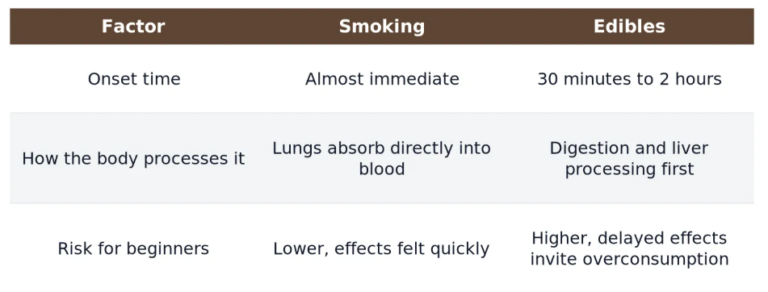
Here’s how the two methods compare in the essentials:
Onset time: Smoking is almost immediate; edibles take 30 minutes to 2 hours.
How the body processes it: Smoking goes from the lungs straight into the bloodstream; edibles must travel through digestion and the liver first.
Risk for beginners: Smoking effects are felt quickly, so risk is lower; edibles have delayed effects, making overconsumption a higher risk.
The difference comes down to biology. Inhaled cannabis enters the bloodstream fast. Eaten cannabis takes the scenic route through the digestive system. Seniors and first-time consumers benefit from understanding that route before the first bite.
What do THC and CBD labels mean?
Cannabis edible labels spell out exactly how much THC and CBD sit inside each serving. Those two compounds drive every experience, and the label tells you which one dominates. THC is the psychoactive compound that delivers the “high” feeling. CBD is non-intoxicating. Customers often choose CBD when they want the cannabinoid and terpene profile without a strong high. Missing that distinction costs people a comfortable experience they could have had.
Why do milligrams matter on an edible package?
The numbers printed beside THC and CBD represent milligrams per serving. A label showing 5 mg THC per piece means each gummy or chocolate square contains that precise amount. We see too many folks skip this detail and end up with an intensity they never wanted. Reading the milligram count puts control back in your hands before the first bite.
How does reading the label help someone choose the right product?
Labels remove the guesswork. A product listing 2.5 mg THC and 10 mg CBD signals a gentle, body-focused experience. Another showing 10 mg THC with zero CBD points toward something much more potent. Understanding those numbers helps seniors match a product to their comfort level and personal goals. No surprises. No regret. Just the experience you actually signed up for.
Why is edible safety critical for seniors?
Edible safety matters for older adults because aging bodies process cannabis differently. Our metabolism slows, liver function changes, and medication lists grow longer. These shifts turn a simple edible into something that demands real caution. Without that caution, seniors risk stronger effects, unexpected interactions, and preventable accidents.
How does aging change the body’s response to cannabis edibles?
Aging can change how the body responds to cannabis. Changes in metabolism, liver function, body composition, and sensitivity to medications may influence how cannabis affects an older adult. However, these changes vary from person to person. A 65-year-old should not assume their experience will match that of a 25-year-old. Understanding individual differences matters, especially with edibles, which can produce delayed, longer-lasting effects.

Why should seniors discuss cannabis edibles with a healthcare professional?
Medication interactions are an important safety consideration. Many older adults take blood thinners, blood pressure medications, sedatives, and other prescriptions. Cannabis and its compounds may interact with certain medications, potentially changing their effects or increasing side effects. A conversation with a qualified healthcare professional or pharmacist can help identify potential risks before someone considers using cannabis. We provide education, not medical advice, and strongly encourage every reader to discuss personal health considerations with their healthcare professional.
What makes safe storage of cannabis edibles so important?
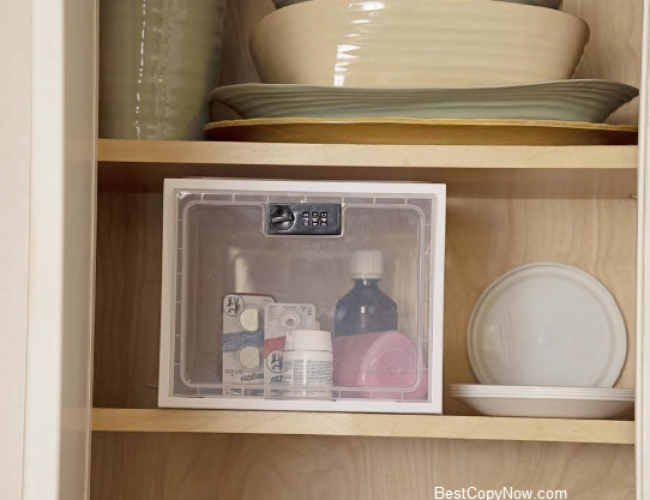
Grandchildren visit. Pets sniff out anything that smells interesting. A cannabis-infused chocolate bar looks exactly like a regular chocolate bar. Accidental ingestion sends kids and animals to the emergency room. Locking edibles in a high cabinet or a child-resistant container eliminates that nightmare. Responsible storage protects everyone in the home.
What should someone do if they take too much cannabis?
Taking too much THC can cause an unpleasant and sometimes frightening experience. Symptoms may include anxiety, confusion, dizziness, nausea, and a rapid heartbeat. If this happens, avoid taking any more cannabis, stay in a safe and comfortable place, and have someone you trust stay nearby. Do not drive or operate machinery. If symptoms are severe, unusual, or worsening, seek medical attention immediately. If a child or pet accidentally consumes cannabis, contact poison control or seek emergency assistance. Knowing what to do ahead of time can help prevent panic and protect everyone’s safety.
(*From my own experience, two things you can try… #1: Sex. An orgasm breaks the cycle. #2: Eat protein. Make some eggs or a hamburger, or even a few spoons of peanut butter. Protein makes your body work harder to digest the complex protein, and in return, the protein will help curb any overdoing of cannabis in your system. These aren’t 100% effective for all, but worth a try.)

What questions should you ask your doctor?
Cannabis edibles education starts with an honest conversation. A healthcare professional who knows your full medical history can help you navigate potential risks and realistic expectations. Skipping this step leaves you vulnerable to medication interactions and dosing mistakes that could have been avoided.
We believe every older adult deserves clear, plain-English guidance before trying cannabis. That means showing up to your appointment prepared. Bring a list of every prescription, over-the-counter drug, and supplement you take. Bring the handy Cannabis guide to discuss with your health professional, and then the salesperson (budtender) at the dispensary.
Here’s the link to the doctor/budtender form: https://acrobat.adobe.com/id/urn:aaid:sc:us:d2711723-993e-4ddf-bbd0-114efa018b53
Cannabis compounds, particularly THC and CBD, can alter how your liver processes certain medications. Blood thinners, blood pressure drugs, and sedatives top the list of concerns. Without this review, you risk reduced medication effectiveness or amplified side effects.
Why should older adults discuss cannabis with a healthcare professional?
Aging bodies metabolize substances differently. Liver and kidney function changes mean cannabis compounds may linger longer in your system. Your doctor can assess whether edibles, tinctures, or other consumption methods align with your health profile. Some conditions make edible absorption unpredictable. Others make inhaled products a poor choice. The right method depends entirely on your individual physiology.
What symptoms or conditions should you mention?
Be specific about why you are considering cannabis. Are you chasing better sleep? Wrestling with chronic pain? Hoping to calm anxiety? Naming the symptom gives your doctor a target. Vague goals produce vague results. A healthcare professional can then discuss whether cannabis aligns with your treatment plan or whether other interventions deserve a first look. They can also flag symptoms that warrant deeper investigation before self-treatment begins.
FAQ
What is cannabis literacy?
Cannabis literacy means understanding the basics of cannabis in plain English, without industry jargon, to help older adults make informed decisions.
How do edibles differ from smoking?
Edibles take 30 minutes to 2 hours to kick in because the body processes them through digestion, while smoking delivers effects almost immediately through the lungs, directly into your bloodstream.
Why do edibles take longer to work?
Digestion is slow by design; the body must break down food, absorb the compounds, and process them through the liver before you feel the effects.