Ohio Voters Legalize Cannabis.
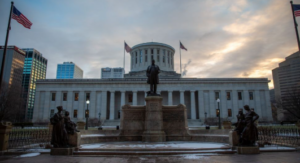
Lawmakers Rewrote the Fine Print.
A Budz Up? Reality Check on What Happens After the Vote
In 2023, Ohio voters made themselves crystal clear.
57% said yes to legal cannabis. Ohio legalized Cannabis.
That should’ve been the end of the debate.
Instead, it was the beginning of a rewrite.
The Recap: What Changed After the Applause
Following voter approval, Ohio lawmakers passed Senate Bill 56, a sweeping piece of legislation that reshapes how cannabis and hemp operate across the state.
A citizen-led effort tried to stop it. The goal was to put the issue back on the ballot and let voters decide if these changes should stand. But with only about six weeks to gather nearly a quarter million signatures, the campaign fell short.
With that door closed, lawmakers moved forward.
And the changes are not subtle.
Cannabis purchased legally in another state? Now illegal to possess in Ohio.
THC limits on concentrates? Lowered.
Homegrown rules? Tighter, with stricter penalties.
Lighting up in public spaces like concerts or patios? Expanded bans.
Dispensaries? Capped at 400 statewide.
At the same time, protections that once shielded consumers are being peeled back. That includes areas like employment consequences, rental restrictions, and even certain parental and medical considerations.
Then there’s hemp.
Starting March 20, intoxicating hemp products are banned in Ohio, including THC-infused beverages that had previously been given a temporary runway. That last-minute reversal is now facing legal challenges from Ohio brewers who argue the governor overstepped.
The Money Shift No One Can Ignore
Beyond restrictions, one of the most significant changes sits quietly in the background: where the money goes.
Under the original voter-approved law, cannabis tax revenue was meant to support:
- Social equity programs
- Job creation initiatives
- Education
- Substance abuse and addiction treatment
Now, a large portion of that funding is being redirected into the state’s general fund.
Same revenue. Different destinations.
Budz’s Take: When “Yes” Turns Into “We’ll See”
Let’s call this what it is.
Ohio didn’t just legalize cannabis.
Ohio voters made a decision about access, fairness, and opportunity.
And then the framework around that decision got… remodeled.
Not entirely erased. Not fully honored either.
Some will argue this is governance, refinement, or responsible regulation.
Others will see it as lawmakers stepping in after the fact to reshape an outcome they didn’t fully agree with.
Budz sees something simpler.
When voters show up in the majority and make a call, the expectation isn’t perfection.
It’s respect for the direction they chose.
Right now, what we’re watching feels less like implementation and more like reinterpretation.
The Bigger Picture
This isn’t just an Ohio story.
It’s a preview.
Because as more states legalize cannabis, the real question isn’t just if it becomes legal.
It’s what happens next.
Who controls the rollout?
Who benefits from the revenue?
And how closely does the final system reflect what voters actually approved?
Budz Bottom Line
Legalization doesn’t end at the ballot box.
That’s where the second phase begins.
And in Ohio, that second phase is sending a clear message:
The vote may open the door… but lawmakers still control the room.
And they don’t like cannabis in any way, shape, or fashion. This reality bite sucks.
(Based on reporting by Tony Lange via Cannabis Business Times)
#ohiocannabis #ohiovote #legalizecannabis #cannabisbusinesstimes #bestcopynow