Cannabis Compliance Mistakes Dispensary Websites Make
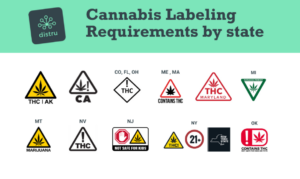
Most dispensary owners assume their website is compliant. How could there possibly be cannabis compliance mistakes?
After all, they paid a designer.
The site looks great.
The menu loads.
Customers can find the hours.
So, everything must be fine… right?
Not necessarily.
Cannabis regulations don’t care how pretty your website is. They care about what your marketing says, how it says it, and who might see it. And across the industry, plenty of dispensary websites are quietly breaking advertising rules without realizing it.
Not because the owners are reckless.
Because most web designers and marketing agencies don’t understand cannabis compliance.
LET ME REPEAT THAT…These mistakes are made because most web designers and marketing agencies don’t understand cannabis compliance.
The result is a surprising number of dispensary sites walking straight through regulatory minefields while thinking they’re perfectly safe.

The Compliance Problem Most Dispensary Websites Have
In traditional industries, website copy can be bold, persuasive, and full of big promises.
Cannabis doesn’t work that way.
Regulators closely watch how cannabis products are described, how brands advertise online, and whether marketing might appeal to minors or make unverified medical claims.
That means the language on dispensary websites has to do something tricky.
It has to be engaging enough to sell products while staying cautious enough to avoid legal trouble.
Unfortunately, many sites miss that balance entirely.
Research examining cannabis marketing compliance on social media has already shown how widespread these issues are.
Cannabis advertising compliance and youth appeal
The analysis found substantial and persistent non-compliance over the study period. Overall, nearly one-third of posts had at least one violation, and roughly one in ten posts met criteria for appealing to youth or included health claims.
Analysis of social media compliance with cannabis advertising regulations: evidence from recreational dispensaries in Illinois 1-year post-legalization, R Valek, 2024
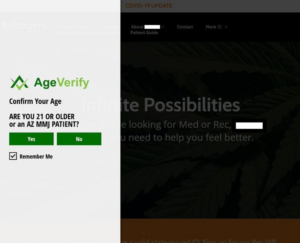
Age-Gates That Barely Count
One of the first things regulators look for on a cannabis website is an age restriction.
Some dispensary sites handle this properly with a clear verification gate that prevents underage access.
Others rely on a flimsy pop-up that says something like:
“Are you over 21?”
Click yes, and you’re in.
Technically present? Sure.
Meaningful protection? Not really.
Age gates that are easy to bypass can raise compliance concerns, especially if the rest of the website includes promotional messaging or product descriptions that regulators believe might appeal to minors.
It’s a small feature, but it carries big regulatory weight.
Product Descriptions That Cross the Line
This one shows up constantly.
A dispensary product page describes a strain or CBD product with phrases like:
Helps with anxiety
Relieves chronic pain
Treats insomnia
Those statements might reflect real customer experiences, but regulators see them very differently.
They look like medical claims.
Unless a product has gone through approved medical testing and regulatory review, those claims can trigger compliance issues.
Smart cannabis copywriting focuses on verifiable information instead.
Product characteristics
Cannabinoid content
Terpene profiles
Flavor or aroma descriptions
These details educate customers without drifting into unapproved medical territory.
The Labeling Problem Consumers Already Notice
Accuracy in CBD labeling has also become a growing concern across the industry.
Research examining commercially available CBD products found that labeling inconsistencies are still surprisingly common.
CBD product labeling — compliance and quality control
Uniform compliance with CBD quality-control standards is lacking, raising consumer concerns. For example, only 38% of products labeled broad spectrum, and 57% of products labeled CBD isolate met the study’s criteria for those categories, respectively.
Product labeling accuracy and contamination analysis of commercially available cannabidiol product samples, BE Gidal, 2024
When labeling and product descriptions don’t match reality, customer trust erodes quickly.
Clear, accurate descriptions protect both consumers and brands.
Missing Disclaimers and Legal Language
Another issue many dispensary websites overlook is the requirement for disclaimers.
Depending on the state, cannabis websites may need specific statements about:
Age restrictions
Legal compliance
Medical claims
Product safety
These disclaimers aren’t glamorous, but they serve an important purpose. They signal to regulators that a business understands the rules governing its products and marketing.
Skipping them may seem minor, but regulators often notice such details.
Marketing That Accidentally Appeals to Minors
Cannabis businesses are required to market responsibly, and regulators pay close attention to messaging that might attract younger audiences.
That means certain branding choices can raise red flags.
Cartoon-style graphics
Youth-oriented slang
Playful characters
Bright, candy-style packaging visuals
Even if the intention is harmless branding, regulators may interpret these elements differently.
The goal of cannabis marketing is to inform adult consumers, not entertain teenagers.
That distinction matters more than many brands realize.
Why Cannabis Copywriting Requires Industry Knowledge
Writing cannabis website copy isn’t just about creativity.
It’s about understanding the complex interplay among marketing, regulation, and consumer education.
Dispensary websites have to accomplish several things at once.
Explain products clearly
Build brand trust
Support search visibility
Avoid regulatory violations
That balance requires careful wording, accurate product information, and a clear understanding of what cannabis regulations allow.
Unfortunately, many websites are built by designers who treat cannabis like any other retail industry.
It isn’t.
The Dispensaries That Get This Right
The dispensaries that stand out online don’t rely on flashy promises or vague marketing language.
They focus on:
Clear product education
Transparent sourcing information
Accurate cannabinoid descriptions
Responsible messaging
Customers appreciate brands that explain their products honestly.
Regulators appreciate brands that follow the rules.
And businesses benefit from both.
Why Website Messaging Matters More Than Ever
Cannabis legalization is expanding, but scrutiny is expanding right alongside it.
Regulators are watching marketing practices. Customers are becoming more informed. And competition among dispensaries is growing rapidly.
In that environment, clear and compliant brand messaging isn’t optional.
It’s part of running a responsible cannabis business.
Because a website shouldn’t just look good.
It should also keep your business on the right side of the law.
#CannabisMarketing #CannabisCompliance #DispensaryMarketing #CannabisCopywriting #CannabisSEO #CBDMarketing #DispensaryWebsite